
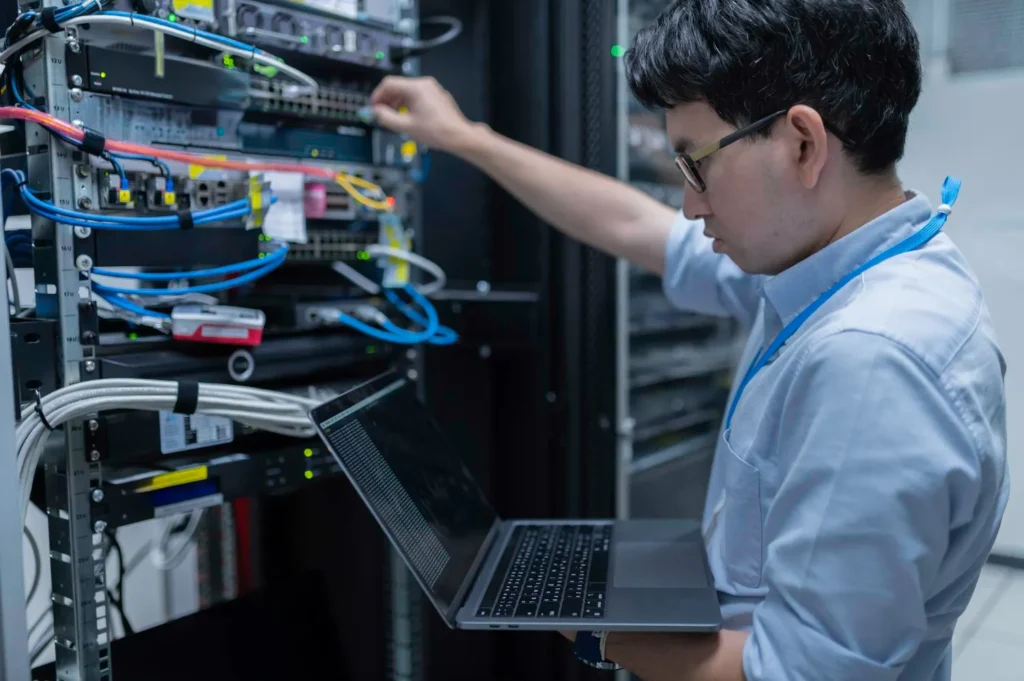
Network engineer
Have you ever wondered who keeps the internet running without interruptions? A network engineer designs, builds, and maintains the complex digital infrastructures that connect us all. Boolean Academy explores this exciting STEM career to help you decide if it fits your future educational goals.
Core Responsibilities And Daily Tasks
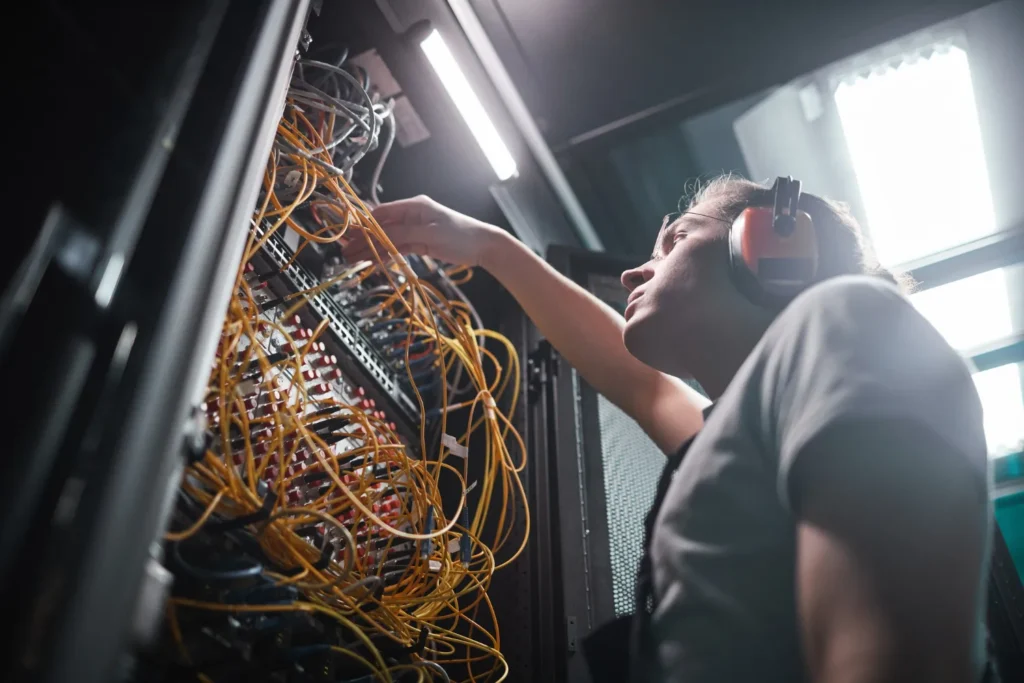
These tech professionals do much more than just plug in cables. They analyze data traffic patterns to ensure information flows quickly and securely between computers and servers.
Companies rely on their expertise to prevent system crashes and massive data breaches. You will often find them troubleshooting connectivity issues or upgrading hardware to keep pace with growing user demands.
System Architecture Design
Architects plan the exact layout of entire computer systems before buying any equipment. They map out routers, switches, and firewalls to create a highly secure environment.
Security Implementation
Cyber threats evolve constantly in today’s digital environment. Specialists install strict firewalls and advanced encryption protocols to protect sensitive user data from hackers.
Performance Monitoring
Traffic spikes can easily overwhelm an unprepared system. Administrators use specialized software to watch for bottlenecks and reroute data before users experience any lag.

Why This Role Matters So Much
Modern society depends entirely on constant digital connectivity. Hospitals, banks, and schools cannot function if their internal servers go offline for even a few minutes.
By maintaining these vital systems, these experts ensure global communication never stops. They act as the invisible foundation for every mobile app, streaming service, and remote learning platform you use daily.
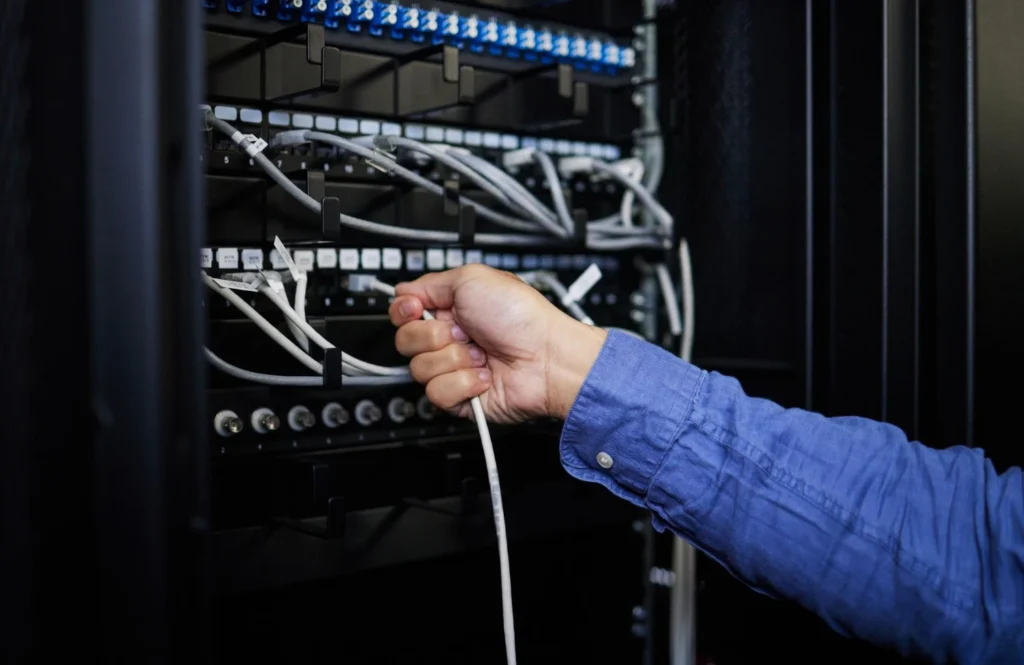
How To Build Your Technical Foundation
You need a solid grasp of computer science fundamentals to succeed in this highly technical field. Most employers look for candidates with a degree in information technology or a closely related STEM discipline.
Hands on experience matters just as much as traditional classroom theory. Students should practice setting up home labs or virtual environments to test different configurations safely.
Many professionals also earn specific industry certifications to prove their practical knowledge. These exams test your ability to configure equipment from major tech companies under extreme pressure.
The Intersection Of Media And Networking
Streaming high definition video requires massive amounts of bandwidth and absolutely zero interruptions. Content creators rely heavily on robust network architectures to broadcast their podcasts and documentaries to global audiences.
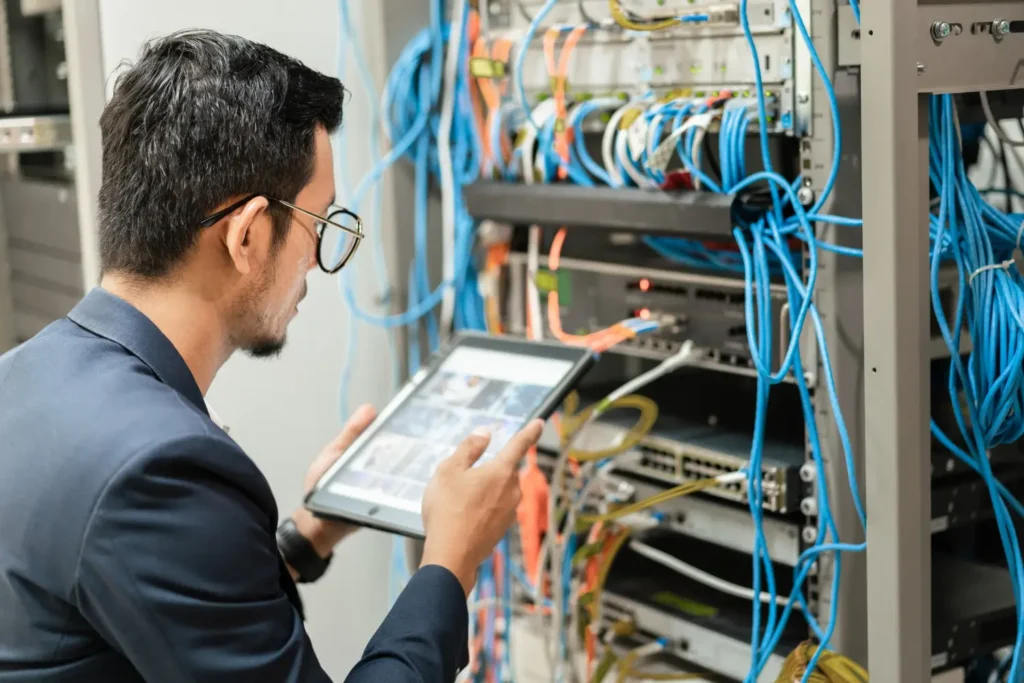
Essential Skills For Future Professionals
Technical knowledge gets you the job, but soft skills help you build a long career. You must communicate complex technical problems clearly to managers who do not understand computer code.
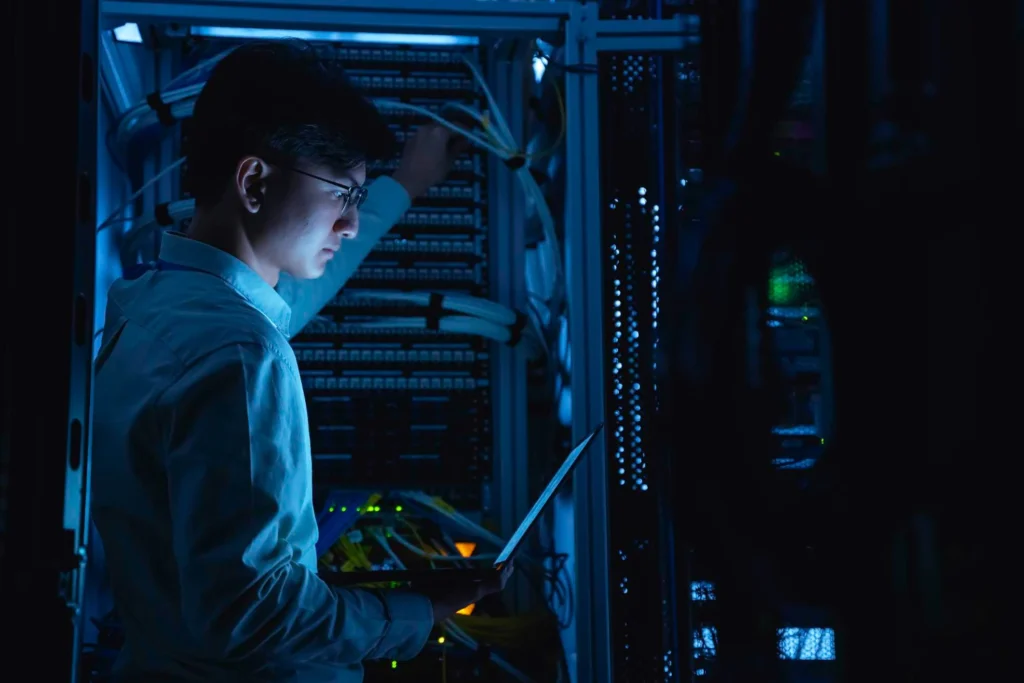
Analytical Thinking
When a server fails, you must quickly trace the problem back to its exact source. This requires a highly logical approach to eliminating variables one by one.
Rapid Adaptability
Technology changes faster than almost any other modern industry. You must commit to lifelong learning to understand new protocols and hardware releases as soon as they hit the market
Starting Your Educational Journey
We want to help you master these technical concepts without feeling overwhelmed. Explore our free guides to learn the basics of computer science and prepare for your first technical interview.